
AI Is Changing Work Faster Than Organisations Can Track It
A company rolls out new AI tools across multiple departments. Productivity improves almost immediately. Tasks are completed faster. Teams begin experimenting with
A company rolls out new AI tools across multiple departments. Productivity improves almost immediately. Tasks are completed faster. Teams begin experimenting with

An employee finishes a full day of meetings, replies to emails late into the evening, joins calls across multiple time zones, and

Employees notice very quickly when they are being asked for feedback instead of being listened to. They notice when surveys are repeated

In today’s business landscape, the relationship between Human Resources (HR) and employee mental health has moved from the periphery to the very
Somewhere between performance targets, back-to-back meetings, hiring challenges, team dynamics, operational pressure, and constant availability, managers quietly became the frontline of employee

Why different employees need different types of support Two employees can sit in the same meeting, work under the same manager, and

For years, workplace mental health was positioned primarily as a wellbeing conversation. Something supportive. Something culturally important. Something that sat alongside the

In most organizations, performance is still the primary signal used to assess employee wellbeing. Targets are tracked. Output is measured. Results are
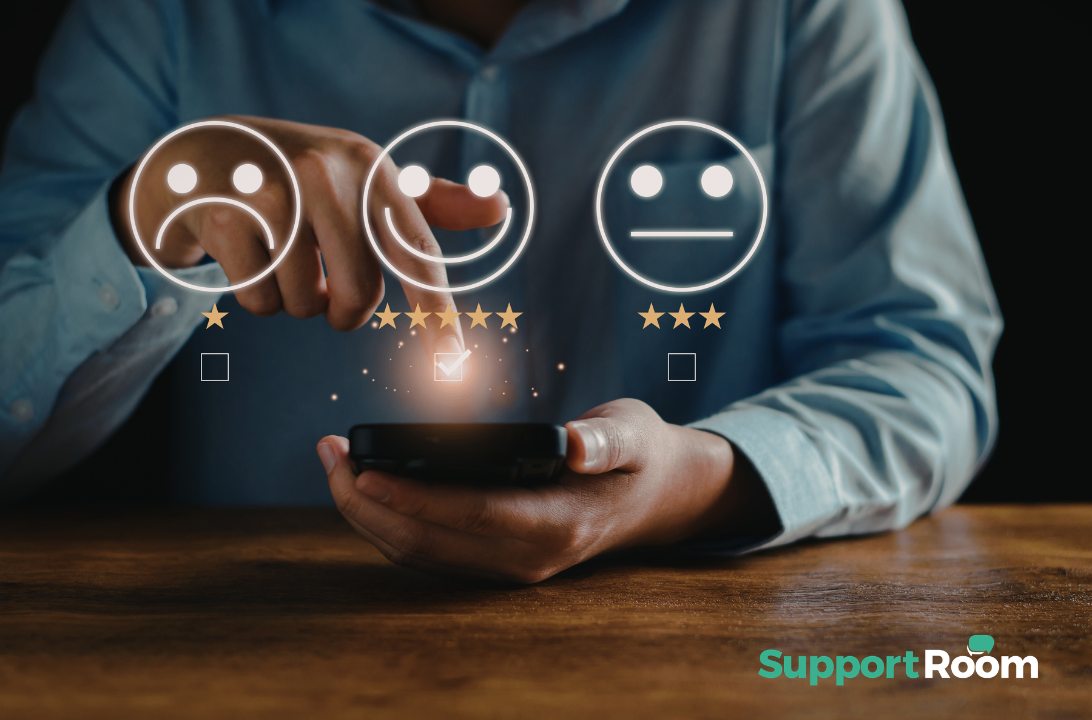
For years, employee surveys have been the primary way organizations measure engagement, satisfaction, and wellbeing. Typically conducted once or twice a year,

There was a time when leaving work meant actually leaving work. Today, that boundary has almost disappeared. Even on vacation, during weekends,

High performance is often seen as the ultimate indicator of success. Employees who consistently deliver, exceed expectations, and take on more responsibility
Employee wellbeing programs have become a standard part of modern organizations. From Employee Assistance Programs (EAPs) to digital mental health platforms, companies